
The center aims to ensure that personnel are not merely trained to operate equipment or "press buttons to capture images," but are equipped with comprehensive knowledge of ocular anatomy and ophthalmic diagnostic principles.
This knowledge enables them to acquire high-quality images and accurate test results that are clinically meaningful and can be effectively utilized by ophthalmologists for disease diagnosis, treatment planning, and patient management.
หน้าที่ของศูนย์เครื่องมือพิเศษทางจักษุ
The Ophthalmic Special Equipment Center provides diagnostic services using both basic ophthalmic instruments and advanced specialized equipment with high levels of complexity. The center supports ophthalmologists in achieving accurate diagnosis and monitoring of eye disease treatment outcomes. The center’s key missions include:
Providing specialized ophthalmic diagnostic services, including Fundus Photography, Optical Coherence Tomography (OCT) for macula and optic nerve evaluation, Visual Field Testing, and Specular Microscopy for corneal endothelial cell density assessment.
Conducting research and development by collecting clinical data and statistical information for analysis and the advancement of new approaches in ophthalmic care, including the AI Fundus Project for future eye disease diagnosis.
Providing academic services as a center for knowledge transfer and professional training through the Ophthalmic Technician Training Program, aiming to develop specialized personnel with expertise in ophthalmic equipment and diagnostic technologies.
Work Performance and Competency
The work performance of personnel at the Ophthalmic Special Equipment Center is defined according to clear competency levels to ensure the quality, accuracy, and reliability of ophthalmic diagnostic examinations.
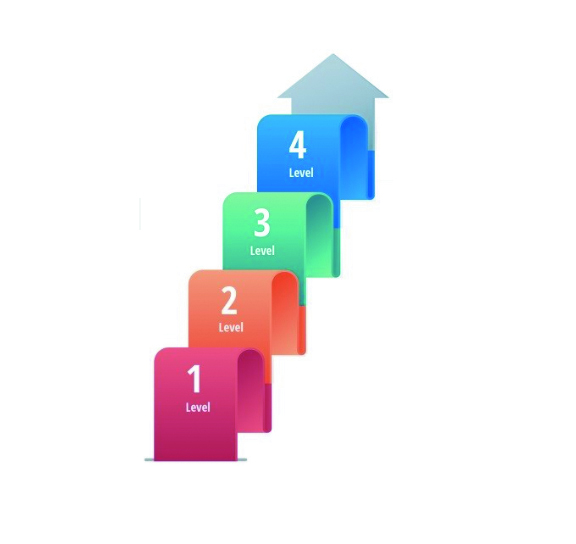
Competency Level 4:
Serves as a consultant, committee member, or trainer in the field of ophthalmic equipment utilization and advanced ophthalmic diagnostic technology.
Competency Level 3:
Able to develop frameworks and strategic plans for the effective utilization and management of ophthalmic equipment.
Competency Level 2:
Able to independently perform advanced operations involving specialized ophthalmicequipment at a higher level of proficiency.
Competency Level 1:
Understands the objectives and purposes of ophthalmic equipment utilization and is able to perform basic operations involving ophthalmic diagnostic instruments.